Durga Puja in Kolkata is as much a feast as it is a festival, and the city's most storied restaurants have spent decades — sometimes over a century — perfecting the exact dishes that show up on every bhog thali and puja special menu. Visiting these five places during the 2026 celebrations (Mahalaya on 10 October, with the main festival days running roughly 16-21 October) does more than fill you up between pandal-hopping stops. Each one carries a slice of Bengal's zamindari kitchens, colonial confectionery, or freedom-era adda culture on its menu, plated fresh for you today.
1. 6 Ballygunge Place — Dining Inside a Zamindar's Bungalow
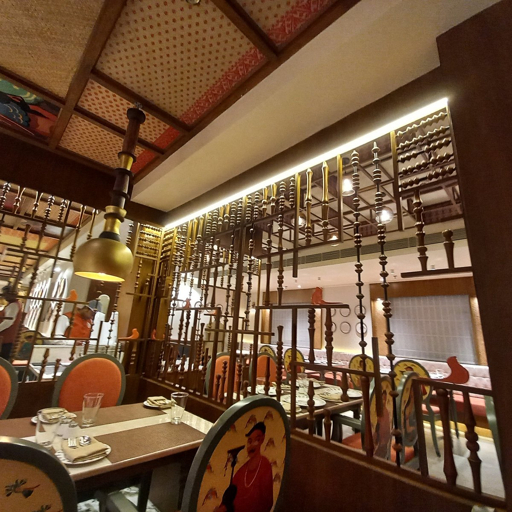
Before 2003, Kolkata famously had no stand-alone restaurant dedicated purely to Bengali food. Three friends who met working at The Park Hotel — Chef Sushanta Sengupta, Aninda Palit, and S. Ramani — decided to fix that by taking over a century-old bungalow at 6 Ballygunge Place that once belonged to a Rai Bahadur, a colonial-era title of nobility. Rather than invent a menu, the team spent months researching Thakurbarir Khabar (the Tagore household's own culinary records) and cookbooks by Pragya Sundari Devi, one of Bengal's earliest published food writers, to recreate authentic zamindari-era dishes. The result is a menu that reads like a Puja bhog thali brought to life: Daab Chingri, Bhapa Ilish, and slow-cooked Kosha Mangsho, served under teak ceilings and Victorian-style furnishings that put you directly inside a 19th-century Bengali aristocrat's dining room. During Puja, the restaurant's elaborate festive spreads are consistently ranked among the city's most authentic — because the whole building was built to be exactly this.
2. Kewpie's Kitchen — A Home-Cooked Bengali Table in Bhowanipore
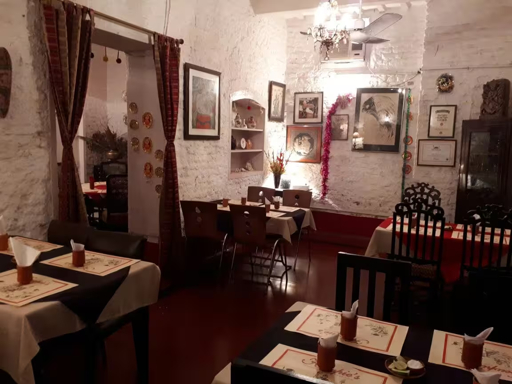
Kewpie's Kitchen opened in 2004 inside the actual family home of Rakhi Dasgupta Purnima on Elgin Lane, Bhowanipore, and the concept has stayed disarmingly literal ever since: the dining room is a room in someone's house, decorated with the family's own framed photographs and heirlooms on the walls. This is not a themed restaurant chasing a "grandmother's kitchen" aesthetic — it genuinely is one, passed down through recipes the family has cooked for generations. During Puja season, Kewpie's leans into its home-style strength with dishes like Bhetki Paturi and smoked hilsa, food that tastes less like a restaurant special and more like the meal you'd get invited to at a Bengali relative's house on Ashtami afternoon. Just a ten-minute walk from Kalighat Metro, it's proof that Kolkata's best heritage dining sometimes happens in the smallest rooms.
3. Flury's — Tea, Cakes, and a Century of Puja Crowds
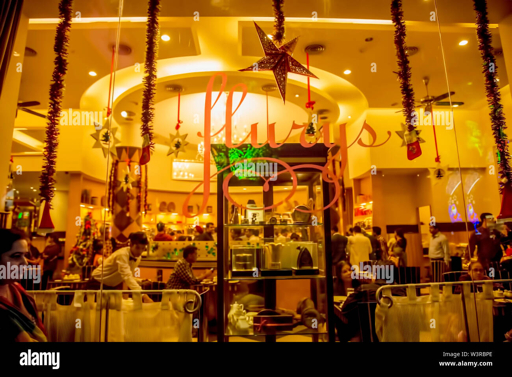
Opened in 1927 by a Swiss couple, Mr. and Mrs. J. Flury, this Park Street institution predates Indian independence by two full decades and has survived every regime change the city has seen since. Satyajit Ray reportedly breakfasted here nearly every Sunday, and during Puja week, Flury's pink-signed dining room becomes one of the most photographed pit stops on Park Street — pandal-hoppers ducking in for English breakfasts, rum balls, and fruitcake between temple visits. What makes Flury's a genuine "rich history" stop rather than just a pretty café is its unbroken continuity: the black-and-white checkered floor, the arched mirrors, and the recipes have barely changed since the British Raj, even as the crowd outside has gone from colonial officials to lakhs of Puja tourists.
4. Indian Coffee House, College Street — Where the Adda Never Stops
This College Street building started life in 1876 as Albert Hall, a meeting hall founded by social reformer Keshab Chandra Sen, before the Coffee Board converted it into a coffee house in 1942. Rabindranath Tagore, Netaji Subhas Chandra Bose, and Satyajit Ray all passed through its doors at some point, and when the outlet nearly closed in 1958, professors from Presidency College and the University of Calcutta petitioned to keep it running as a worker-run cooperative — the model it still operates under today. During Puja, when North Kolkata's oldest, most storied pandals draw crowds through College Street, this cafe fills up with exactly the kind of loud, opinionated conversation — adda — that has defined it for over a century. It won't win any food awards, but no other spot on this list lets you sit in a room where Bengal's literary and revolutionary history was quite literally argued into existence over endless cups of coffee.
5. Nahoum & Sons — New Market's Jewish Bakery, Busiest All Season
Tucked inside the maze of New Market, Nahoum & Sons was founded in 1902 by Nahoum Israel Mordecai, a Jewish entrepreneur from Baghdad, and remains the last surviving bakery of Calcutta's once-thriving Jewish community. While most famous for its Christmas rush, Nahoum's plum cakes, cheese patties, and marzipan sell out just as fast during Durga Puja, when New Market becomes one of the city's busiest shopping and pandal-hopping corridors. The bakery is run today by descendants of the founding family, using recipes handed down for over 120 years, making a stop here less about a quick snack and more about tasting one of the last living traces of a diaspora that shaped Calcutta's palate long after most of its people left the city.
A Meal Through Three Eras
Together, these five stops trace how Kolkata's food history layers onto its biggest festival: a zamindar's bungalow reviving 19th-century aristocratic cooking, a colonial-era tearoom that never stopped serving, a coffee house that hosted the city's revolutionaries, and a Jewish bakery that has outlasted the community that built it. Visit even two or three of them across a single Puja evening, and you're not just eating well — you're tasting three centuries of who has called this city home.