Meta description: Gogo stock soared 71.5% after an FCC license renewal and debt deal. Here’s what changed, what the weak quarter says, and what GOGO investors should watch next.
Headline options: Why Gogo Stock Jumped 71% on Friday · Gogo Stock’s 71% Surge: The Real Story · GOGO Stock: A Rally Built on Three Headlines
As of the November 6, 2026 close. Figures in U.S. dollars.
Gogo stock jumped 71.5% in one session—and the quarter it reported was not a clean beat. So why did investors rush in? Three announcements gave the market a new reason to rethink Gogo’s runway, its spectrum rights, and its path from a North American air-to-ground network to global in-flight connectivity.
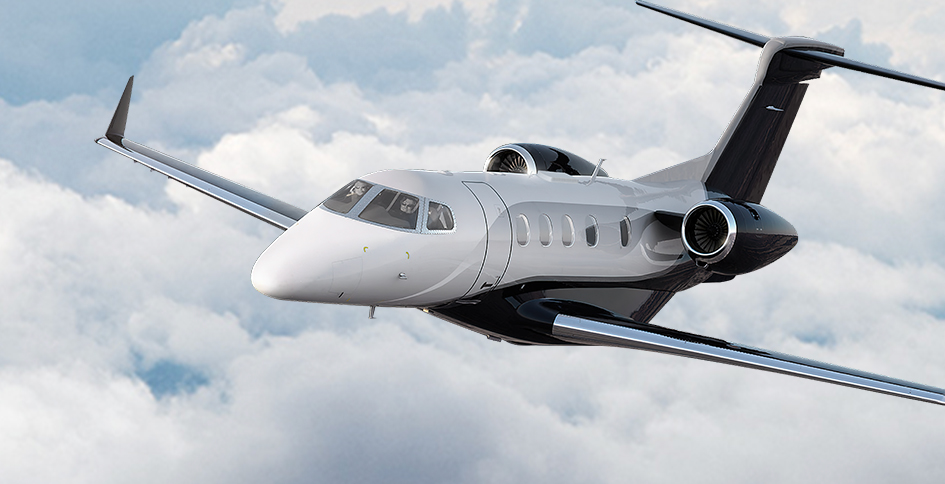
Why Gogo stock moved
On Friday, November 6, Gogo (NASDAQ: GOGO) announced its third-quarter results, a 10-year renewal of its exclusive U.S. air-to-ground spectrum licenses, and an amendment extending its roughly $600 million Term Loan B to October 2030. The FCC renewal keeps the company’s 800 MHz spectrum authorization in place through October 31, 2036. The loan agreement commits Gogo to $75 million in principal repayments through the end of 2027, including an immediate $25 million paydown.
That combination is the story: the license reduces a long-term uncertainty around a network Gogo says underpins its North American business aviation service; the loan extension buys time to execute its transformation and pay down debt. Think of it as getting a longer runway and keeping access to the runway lights. Neither announcement guarantees takeoff.
The day’s price action was dramatic: GOGO closed at $3.89, up 71.5%, after trading between $2.23 and $4.26. Reported volume was about 28.96 million shares. The latest quote data available for this article reflects the November 6 session; U.S. markets were closed over the weekend.
Price action at a glance
Prior close: $2.27 → Nov. 6 close: $3.89 (+71.5%)
Session range: $2.23–$4.26 · Volume: ~28.96M shares
That is a one-session snapshot, not evidence that the move will continue. The stock remains below its reported 52-week high.
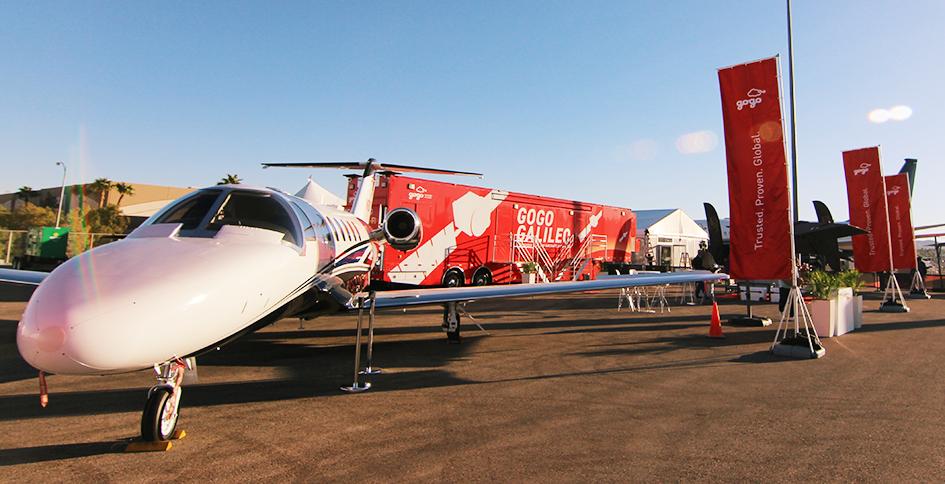
The numbers: a split-screen quarter
The rally came alongside real operating progress in Galileo shipments—but also shrinking revenue and EBITDA. That split is why one day’s move cannot settle the investment debate.
| Measure | Q3 2026 | Change vs. Q3 2025 |
|---|---|---|
| Total revenue | $213.2M | −5% |
| Service revenue | $182.7M | −4% |
| Adjusted EBITDA | $41.0M | −27% |
| Free cash flow | $28.1M | −$2.5M |
| Galileo units shipped | 172 | +95% |
| Galileo aircraft online | 297 | +1,550% |
Gogo reiterated its 2026 outlook: revenue of $870M–$895M, adjusted EBITDA of $175M–$185M, and free cash flow of $65M–$85M. Its Q3 net loss was $3.2M. The headline growth in Galileo is encouraging, but it is still a developing product base; the larger service business and profitability figures deserve equal attention.
Market data services put GOGO’s market capitalization near $531M and its 52-week range at about $1.96–$7.94. Those are vendor-reported figures and can vary with timing and share-count methodology. A 71% rebound from a low base can look enormous while still leaving a stock far below its earlier high.
Bull case vs. bear case
The bull case: Gogo has secured a decade of spectrum certainty, extended debt maturities to 2030, and is seeing rapid Galileo adoption from a small base. The company cited new OEM, fleet, and maintenance orders, and it has reiterated its annual guidance. If recurring satellite service revenue scales while free cash flow funds debt reduction, Friday’s news could mark a meaningful de-risking.
The bear case: The quarter’s revenue fell 5% year over year and adjusted EBITDA fell 27%. The legacy business aviation service line was down 10%, and the company still carries a large term loan. A maturity extension changes the calendar; it does not erase leverage. Gogo also faces execution risk as it moves customers onto new platforms and expands satellite coverage. Friday’s sharp repricing may have run ahead of what the current results prove.
Analysts and insiders: A market-data listing shows Roth MKM analyst Scott Searle maintained a Buy rating while lowering a $12 target to $10 on August 6—before Friday’s announcements, so it is not a reaction to this rally. I did not find a verified post-announcement analyst revision or insider transaction in the sources reviewed for this piece.
What this means for you
If you already own GOGO, the key question is whether Galileo’s growth can offset pressure in the older service base and support the company’s cash and debt plans. If you are watching from the sidelines, a huge one-day candle can be both a signal and a trap: decide what evidence would change your view before treating momentum as a thesis. This article is a market explanation, not a buy or sell call.
What to watch next
- Next quarterly report: Does total and service revenue stabilize, and does adjusted EBITDA stop falling year over year?
- Galileo conversion: Track shipments, aircraft online, and whether new OEM and fleet commitments become installed, recurring customers.
- Debt and cash execution: Watch the promised $30M repayment by December 31, 2026, free cash flow versus guidance, and whether the 2030 extension is followed by measurable deleveraging.
One-line takeaway: Gogo’s 71% jump priced in a longer runway and safer spectrum—but the next leg depends on turning Galileo’s fast start into durable growth and cash.
Sources
- Gogo Q3 2026 results, Nov. 6, 2026 and SEC-filed earnings release.
- Gogo: FCC spectrum license renewal, Nov. 6, 2026.
- Gogo: term-loan amendment and extension, Nov. 6, 2026.
- Google Finance quote (Nov. 6 session price/volume) and Stock Analysis (52-week range, market capitalization and analyst history).
- Adanos Reddit stock mentions (Nov. 7 snapshot): NVIDIA ranked first; this article selects Gogo as a sharp news-driven mover, not the most-mentioned stock overall.
This is not financial advice. Data and market commentary are current as of the November 6, 2026 U.S. market close; information may change.